How to Resolve Duplicate Invoices Without Delays
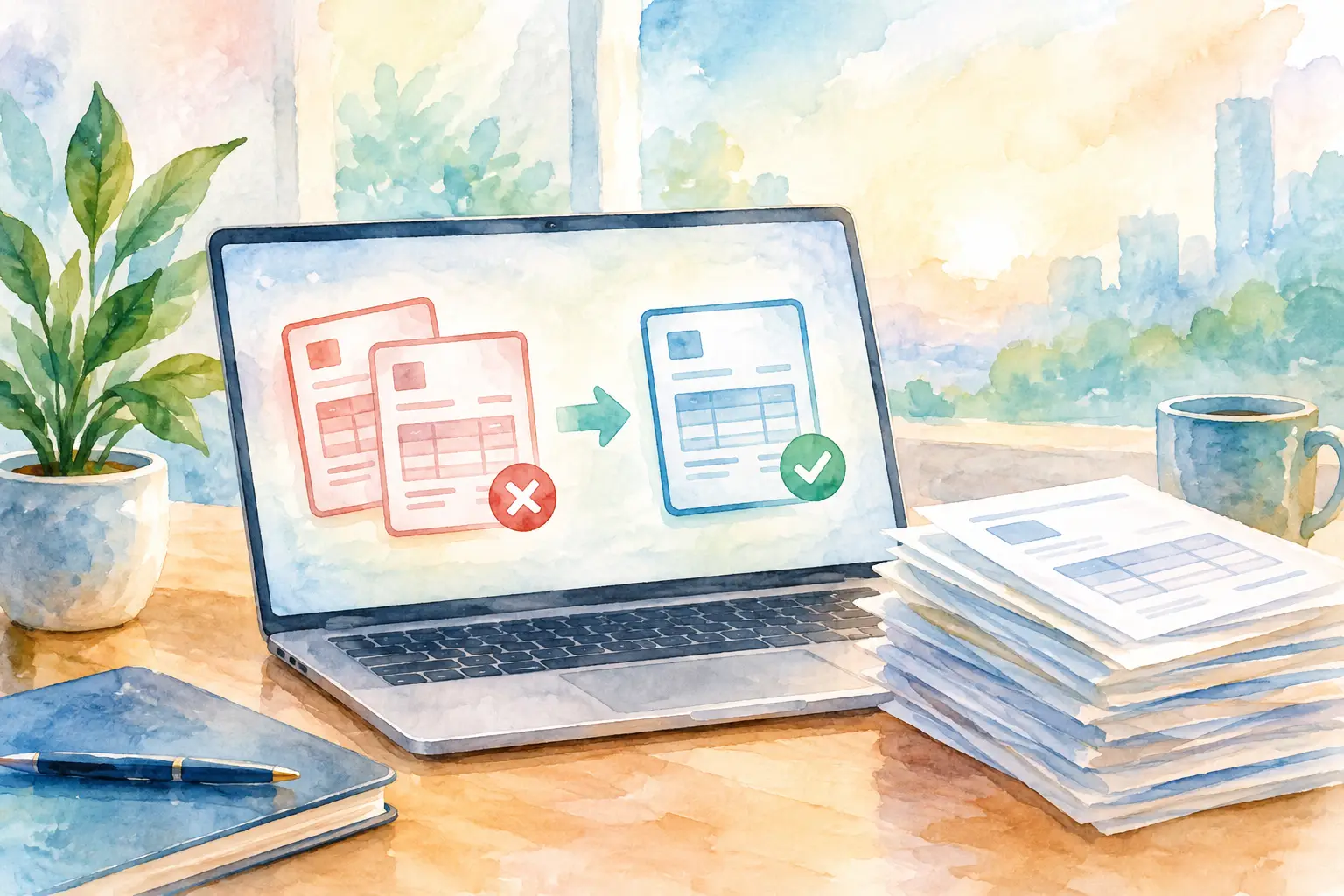
A duplicate invoice is rarely just a data-entry problem. It can trigger a second payment, hold up a legitimate supplier bill, and leave finance explaining why the same charge appeared twice. Knowing how to resolve duplicate invoices quickly means protecting cash without slowing down the vendors and departments that keep the business moving.
The right response is not to delete the second record and move on. Finance needs to confirm what happened, control the payment status, and preserve a clear record of the decision. That discipline turns a recurring AP headache into a manageable exception.
How to resolve duplicate invoices step by step
Start by placing both invoice records under review before either one moves forward for payment. If one is already approved, update its status or alert the payment owner immediately. The first objective is simple: prevent a duplicate payment while the facts are checked.
Next, compare the records against the supplier document, purchase details if available, and payment history. Look beyond the invoice number. Suppliers may resend the same bill with a different file name, a corrected due date, or a minor formatting change. A duplicate can also be entered twice when an employee forwards a PDF after submitting it through another channel.
Check the supplier name, invoice number, invoice date, amount, currency, purchase order or job reference, and line-item description. Then check whether the invoice has already been paid, scheduled for payment, or partially paid. A matching amount alone is not enough to call it a duplicate. Two legitimate monthly service bills can have the same value, especially for subscriptions, rent, retainers, and recurring freight charges.
Once the evidence is clear, mark one record as the valid invoice and classify the other as a duplicate or voided submission according to your internal process. Keep the duplicate record rather than erasing it. Attach the reason for the decision and identify the original invoice record. This gives the next reviewer, auditor, or manager a complete answer without searching through old email threads.
If both invoices have been paid, the issue shifts from prevention to recovery. Contact the supplier with the invoice number, payment dates, payment references, and duplicate amount. Ask whether a refund or credit memo is appropriate, then track the recovery until it is completed. Do not close the exception when the request is sent. Close it when the credit or returned funds are documented.
Confirm that it is actually a duplicate
False positives create their own problems. A team that rejects valid invoices too aggressively can damage supplier relationships and delay critical work. Before voiding anything, consider whether the documents reflect a legitimate adjustment.
A supplier may issue a revised invoice after correcting tax, quantity, pricing, or billing address information. In that case, the revised document may replace the original rather than duplicate it. The original should be canceled or credited by the supplier, and your records should show the relationship between the two.
Partial invoices require the same care. A supplier may bill a deposit first and the balance later, or split work across milestones. The invoice number, descriptions, and contract terms should make that distinction clear. Likewise, a credit memo can resemble a duplicate invoice in a document queue, but it should reduce an existing payable rather than create another payment obligation.
When the evidence is unclear, pause payment and ask the supplier a direct question. “Please confirm whether invoice 10458 replaces, supplements, or duplicates invoice 10421.” A short confirmation can prevent a costly assumption.
Find the process gap that created it
Duplicate invoices usually enter through a predictable gap: more than one intake path, unclear ownership, or a lack of visibility into work already in progress. The immediate exception may be resolved, but the same issue will return if that gap remains open.
Email is a common source. A vendor sends an invoice to a shared AP inbox, copies a department manager, and follows up with a salesperson. Each recipient forwards it to finance. Without a centralized record, every person believes they are helping, while AP receives three versions of the same bill.
Manual data entry creates another risk. Invoice numbers may be entered with an omitted zero, added punctuation, or a supplier prefix. A basic exact-match check will miss records that are economically identical. Your review process should account for near matches, especially when supplier, amount, and date are the same.
Approval routing can also create duplicates. An employee who cannot see the status of a submitted bill may send it again to a different manager. Or a manager may request a resubmission after asking for more documentation, when a comment on the original record would have preserved the same approval trail.
Look at the duplicate’s path, not only the document. Who submitted it, where did it arrive, who approved it, and what information was missing at each step? That review tells you whether the fix belongs in intake rules, permissions, approval routing, or payment controls.
Build controls before approval and payment
The strongest duplicate-invoice control happens before the invoice reaches a payment run. Require a consistent intake record with the supplier, invoice number, amount, date, and supporting document captured in one place. If an employee cannot verify whether a bill is already in process, they need a clear way to check rather than creating a second submission.
Use a duplicate review checkpoint when a new invoice shares key details with an existing record. The goal is not to block every close match automatically. It is to flag records that deserve a human decision before approval. For smaller teams, this can be a finance review queue. For higher invoice volumes, define matching rules that account for variations in invoice-number formatting.
Separate the authority to submit, approve, and mark an invoice paid. A person who enters a bill should not be the only person able to approve and release it. Role-based access reduces accidental approvals and makes accountability clear when an exception occurs.
A controlled workflow should also preserve four pieces of evidence:
- the original invoice document and any replacement version
- the people who submitted, reviewed, approved, or rejected the record
- timestamps and notes explaining why a record was held, voided, or released
- the payment status, including partial payments, credits, and recovery activity
This is not paperwork for its own sake. It lets finance answer a practical question in minutes: was this invoice paid, who authorized it, and why?
Make exception handling visible
Duplicate invoices should have a defined status, owner, and next action. “Waiting for clarification” is better than leaving an invoice in a general approval queue where it can be mistaken for a ready-to-pay bill. Assign the exception to a named person, set a follow-up date, and record what confirmation is needed to close it.
Managers need visibility without access to every financial detail. Department approvers may need to confirm whether services were received, while finance determines whether a billing document is duplicate, revised, or valid. Permission boundaries keep each person focused on the decision they own.
A centralized AP workspace supports this operating model by making submissions, approvals, comments, and payment status visible in the same record. With tools such as UTUMATE, teams can route invoices to the right approver while retaining an auditable history of each action. The benefit is not more process. It is fewer unanswered questions when an invoice appears twice.
Review patterns, not just incidents
Track duplicate invoices over time by supplier, department, submission source, and reason code. If one supplier repeatedly resends bills, agree on a single billing email address and a standard follow-up process. If one department creates frequent resubmissions, improve its visibility into invoice status and clarify who submits vendor documents.
The right level of control depends on invoice volume and risk. A five-person company may use a weekly exception review and clear submission rules. A growing company with multiple locations, recurring services, and several approvers may need automated alerts, formal routing, and tighter separation between approval and payment. In both cases, the principle is the same: one invoice should have one traceable path from submission to final payment status.
Treat each duplicate as evidence of a process that can be made clearer. When every bill has an owner, a status, and a documented decision, finance can stop chasing copies and spend more time controlling what is actually due.